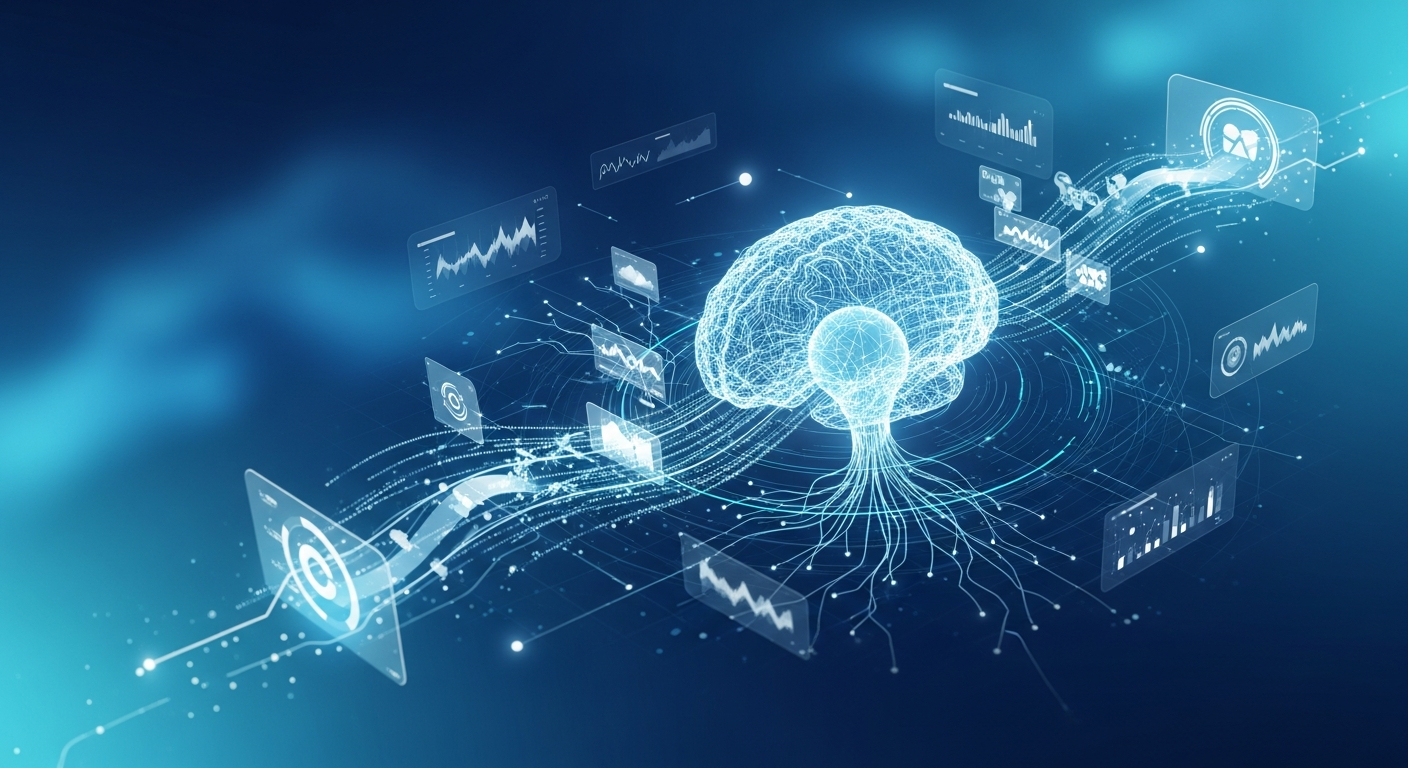
Imagining India’s Internet with AI Agents: A Future Within Reach
Have you ever paused to think about what the internet in India might look like just a few years from now? It’s already a vibrant, ever-changing landscape, but imagine adding a whole new layer of intelligent, personal helpers – what we’re calling AI agents. It’s not just a futuristic dream; it’s a concept worth exploring, and more importantly, preparing for.
So, what exactly are these “AI agents”? Think of them as incredibly smart digital assistants, far beyond your current voice assistant. These aren’t just answering questions; they’re learning your preferences, understanding context, and proactively helping you manage tasks. They could book your appointments, compare shopping deals, help you understand complex government schemes in your local language, or even tutor your children.
Now, why is this particularly exciting for India? Our country is unique. We have an enormous population, incredible linguistic diversity, and a rapidly expanding digital user base. An internet powered by AI agents could truly democratize access to information and services. Imagine an agent helping a farmer access market prices, guiding a small business owner through digital payments, or making quality education accessible in remote villages.
This isn’t just about convenience; it’s about empowerment. AI agents could break down language barriers, offer personalized support, and bridge the digital divide in ways we’re only beginning to understand. They could make navigating the complexities of modern life simpler for everyone, from booking a train ticket to understanding health advisories.
What Does “Preparing” Really Mean?
Preparing for this future isn’t just for tech companies. It’s for all of us. For individuals, it means embracing digital literacy and understanding how to interact safely and effectively with these new tools. For businesses, it’s about seeing how AI agents can transform customer service, operations, and market reach.
On a broader scale, it involves thoughtful development of technology that is inclusive, ethical, and respects user privacy. We need to ensure these agents are trained on diverse datasets that reflect India’s rich culture and languages, avoiding biases and ensuring fairness. It’s about building the infrastructure, fostering the right skills, and creating policies that encourage innovation while protecting people.
The journey towards an Indian internet bustling with helpful AI agents is going to be fascinating. It calls for curiosity, collaboration, and a shared vision. By imagining this future now, we can all play a part in shaping it to be one that truly benefits every Indian.