From Search Pages to Shopping Conversations
Digital commerce has entered a new phase.
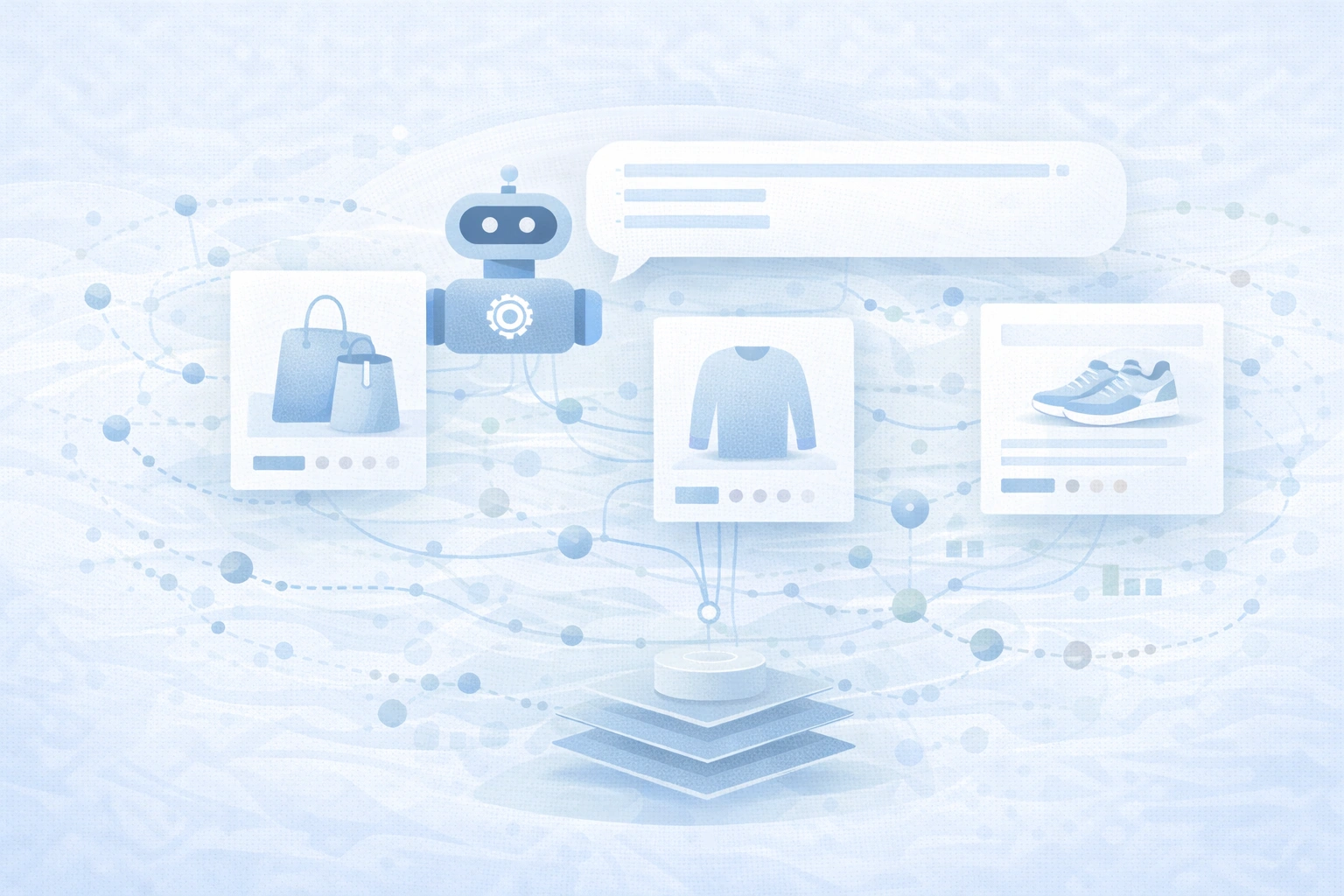
With ChatGPT introducing native shopping capabilities—and partnering with Walmart—shopping no longer needs search results, product grids, or even traditional marketplaces.
For the first time, consumers can:
- Discover products
- Compare options
- Make purchasing decisions
All inside a single AI-driven conversation.
This shift is not just another feature update. It represents a structural change in how discovery, trust, and transactions work online.
To understand the implications, we look at insights shared by Tim Vanderhook, CEO of Viant Technology, and what this means for brands, marketers, and digital commerce as we move deeper into 2026.
A New Kind of Marketplace Is Emerging
Traditional ecommerce depends on platforms acting as gatekeepers. Google controls discovery through rankings. Amazon controls visibility through marketplace placement. In both cases, brands compete for attention inside systems they don’t own.
AI-native commerce changes that.
In an AI-powered marketplace:
- Discovery is conversational, not keyword-based
- Results are personalized, not uniform
- The interface adapts to context, intent, and user history
Instead of typing “best running shoes,” a shopper might say:
“I need comfortable running shoes for daily jogging, under $120, for someone with flat feet.”
The AI doesn’t show ten blue links. It reasons, compares, and recommends.
This collapses the traditional funnel:
Search → Click → Browse → Compare → Checkout
into
Conversation → Recommendation → Decision
Why This Breaks the Gatekeeper Model
Marketplaces like Amazon and search engines like Google have long benefited from controlling:
- Where products appear
- Which brands get visibility
- How traffic flows
AI-native shopping shifts control away from the platform interface and toward the quality of the recommendation itself.
That doesn’t mean incumbents disappear. Large players still offer:
- Fulfillment infrastructure
- Inventory depth
- Consumer trust
But their role changes. Instead of owning the funnel, they become participants inside a broader AI-driven ecosystem.
The power moves from:
“Who owns the shelf?”
to
“Who delivers the best outcome for the user?”
What This Means for Brands and Marketers
This shift forces a rethink of nearly every digital marketing discipline.
SEO Is No Longer About Rankings Alone
In an AI-native environment, visibility depends on:
- Whether the AI understands your product clearly
- Whether your brand is trusted
- Whether your data is structured, complete, and accurate
Optimizing only for keywords is no longer enough. Brands must optimize for context, intent, and clarity.
Paid Media Becomes Less About Interruption
Traditional paid media captures existing demand. AI-native commerce rewards brands that create demand before the user ever asks a question.
This elevates:
- Brand storytelling
- Long-term awareness channels
- Trust-building media like video and audio
Brands that people already know and trust are far more likely to be recommended by AI systems.
Brand Becomes a Visibility Strategy
In conversational AI, one of the strongest signals is:
“Which brand does the user already recognize?”
This shifts investment away from pure demand capture and toward demand creation. Being remembered matters as much as being relevant.
Smaller Retailers Get a Real Opportunity
Historically, smaller brands struggled to compete with:
- Big ad budgets
- Marketplace dominance
- SEO scale
AI-native commerce changes that equation.
When discovery is based on relevance and fit—not ad spend—smaller retailers can:
- Plug into AI systems via APIs
- Compete on product quality and specialization
- Win recommendations without paying for page-one placement
In a conversational model, merit matters more than margin.
Attribution in an AI-Native World
One of the biggest challenges ahead is measurement.
When search and purchase happen in the same moment:
- Last-click attribution breaks
- Traditional funnels collapse
- Conversion paths become harder to see
Marketers must move toward:
- Incrementality measurement
- Influence-based attribution
- Understanding what shaped intent upstream
The question shifts from:
“Which click converted?”
to
“What actually caused the decision?”
Trust, Transparency, and Brand Safety Matter More Than Ever
If AI systems recommend products directly, trust becomes non-negotiable.
Consumers will expect:
- Verified product data
- Clear sourcing and authenticity
- Explainable recommendations (“why this product?”)
For brands, this means:
- Owning and maintaining clean structured data
- Ensuring inventory, pricing, and availability are accurate
- Working with partners who prioritize transparency and integrity
AI will not blindly recommend. It will favor brands that are reliable, verifiable, and accountable.
What Marketers Should Do Now
AI-native shopping is not a distant future. It’s already here.
To prepare, brands should:
- Invest in structured, machine-readable product data
- Strengthen brand trust and recognition
- Shift budgets toward long-term demand generation
- Rethink attribution beyond last-click models
- Treat AI platforms as discovery engines, not just tools
The brands that win won’t be those chasing algorithms. They’ll be the ones that make themselves easy to understand, easy to trust, and easy to recommend—for both humans and machines.
Final Thought
AI-native commerce doesn’t add another channel.
It changes the interface of buying itself.
As conversational AI becomes the place where decisions happen, digital commerce will reward brands that think beyond rankings, beyond marketplaces, and beyond clicks.The future belongs to brands that are not just visible—but intelligible and indispensable in an AI-driven world.