

Mueller’s “Stupid Idea” Comment: What It Means for Your SEO Strategy Google’s John Mueller recently dismissed the “markdown for bots” concept as “a stupid idea.” This wasn’t just a casual jab. It’s a critical insight into how Google views content understanding and what truly matters for your visibility. The “Markdown for Bots” Concept Explained The “markdown for bots” idea suggests webmasters should manually add specific, detailed semantic markup within their content. Think of it as embedding tiny, explicit instructions for AI. The goal? To help search engines grasp nuances, relationships, and context that might otherwise be missed. Mueller’s blunt rejection signals a strong message from Google: they believe their systems are already highly sophisticated at understanding content without this extra layer of manual intervention. Your efforts might be better spent elsewhere. Why This Matters for Digital Marketers This isn’t an attack on structured data; it’s a clarification. Google already processes billions of pages daily. Their AI, powered by models like BERT and MUM, is designed to understand natural language. Adding another proprietary markup language for specific AI consumption is impractical at scale. It would create a huge burden for content creators and likely lead to inconsistencies. Google wants to extract meaning from the content *as humans read it*. Your primary audience remains your human users. Content written clearly for them is inherently easier for advanced AI to process. Practical Steps: Focus Your Efforts Where They Count Don’t chase every new speculative SEO trick. Your time and resources are valuable. Prioritize Human-Centric Content: Write clear, concise, and valuable content. If a human can understand your article, Google’s AI likely can too. Leverage Existing Structured Data: Continue using Schema.org markup where it adds real value. Think product pages, reviews, events, FAQs, or recipes. This is a recognized standard, not a speculative “markdown for bots.” Ensure Technical SEO Fundamentals: Fast loading times, mobile-friendliness, and secure connections still form the bedrock of good SEO. Example: Instead of inventing a “bot markdown” for your local plumbing service’s content about fixing leaky faucets, ensure your service pages have clean H2s for services, clear paragraphs describing benefits, and standard local business schema markup. Google’s AI will connect “leaky faucet repair” with your relevant service pages and local queries based on well-written content and standard signals. What Does This Mean for AI-Generated Content? It means the principles are the same. Whether human or AI-written, the content must be high-quality, relevant, and structured logically for human readers first. Google’s AI will evaluate it based on its ability to serve user intent, not because it has hidden AI-specific tags. FAQ on Content Understanding & SEO Does this mean structured data is dead? Absolutely not. Standard Schema.org markup remains highly valuable for specific content types. It helps Google display rich results and better categorize your content within its knowledge graph. The “stupid idea” refers to *additional, custom* AI-specific markup. Should I simplify my writing for AI? Simplify your writing for your *audience*. Clear, direct language benefits everyone, including search engines. Avoid jargon and overly complex sentences when simpler ones suffice. This improves readability for humans and parseability for bots. How can I help Google understand my content better then? Focus on topic authority, E-E-A-T (Experience, Expertise, Authoritativeness, Trustworthiness), and user experience. Create comprehensive content that truly answers user questions. Use relevant keywords naturally, structure your content with proper headings, and build internal links to related topics. This holistic approach signals true value.

Google Search Hits $63B, Details AI Mode Ad Tests
Google’s Search Revenue Surges, AI Ad Tests Begin The $63 Billion Signal Google’s Q1 search revenue hitting $63 billion isn’t just a large number. It directly shows the persistent, undeniable power of search as a primary customer acquisition channel. This robust performance funds Google’s aggressive push into artificial intelligence, especially concerning how ads are created, targeted, and delivered. What This Means for Advertisers The real takeaway for digital marketers isn’t the total revenue, but Google detailing its AI-powered ad tests. This isn’t theoretical; AI is actively shaping the future of paid search. These tests mean generative AI will soon be an intrinsic part of Google Ads. It will impact your campaign structure, budget allocation, and competitive strategy immediately. Why It Matters: Efficiency and Edge Ignoring this shift means falling behind. AI-driven ads promise unprecedented precision and efficiency in campaign management. This translates to more targeted impressions, optimized bids, and ultimately, a better return on your ad spend. Advertisers who adapt early will gain a significant competitive edge. Practical AI in Your Ad Strategy Imagine Google’s AI automatically generating multiple ad variations—headlines, descriptions, even image suggestions—tailored to specific search queries or user intent. It learns what resonates fastest. This isn’t just automation; it’s about AI predicting user behavior more accurately, optimizing bids in real-time, and matching ads to nuanced needs that human managers might miss. Consider a national automotive parts retailer. Instead of manually writing copy for every spark plug model, AI could generate hundreds of highly specific ad copies and landing page variations like “OEM Spark Plugs for 2020 Honda Civic” with unique benefits, triggered only by highly precise search terms. Immediate Steps for Marketers Review your data hygiene: AI thrives on clean, structured first-party data. Poor data leads to poor AI output. Experiment with new ad formats: Be ready to leverage generative AI tools as they roll out. Test frequently. Focus on user intent: AI amplifies the value of truly understanding what users are searching for and why. Your AI Ad Questions Answered Will AI replace human ad managers? No. It elevates their role. AI handles the heavy lifting of optimization and variation, freeing humans for high-level strategy, creative oversight, and nuanced market interpretation. How do I prepare my campaigns for these AI changes? Focus on providing clear campaign goals, strong first-party audience data, and high-quality creative assets. AI needs excellent inputs to produce excellent outputs.

Google Releases Core Update Targeting Discover Feed
What This Google Update Means for Your Content Visibility Google just rolled out a core update, but the key insight here is its primary target: the Discover feed. This isn’t your typical algorithmic shake-up for traditional search rankings. Instead, Google is refining how it surfaces content to users who aren’t actively searching, but rather passively browsing topics of interest. Think of it as an adjustment to Google’s “interest graph” engine, not its keyword matching algorithm. Why Google Discover Matters Beyond Organic Search For many publishers and content creators, Google Discover is an underappreciated traffic goldmine. It serves as a significant, often passive, source of visitors who might never have found you through a direct search query. This feed predicts user interests, pushing content based on browsing history, app usage, and location. It’s about surfacing what users *might* want to see next, not what they *just asked* for. Ignoring Discover is leaving easy visibility on the table, especially as Google continues to integrate it more deeply into Android devices and the Google app. Practical Implications: What Changed and How to Adapt This update suggests Google is re-evaluating the signals it uses for content quality and relevance specifically for a browsing experience. It’s less about satisfying a specific information need and more about engaging a user. Expect a stronger emphasis on content that is: topical, timely, visually rich, and demonstrates clear expertise (E-E-A-T). For example, a regional tourism blog that previously saw Discover traffic for evergreen articles like “Top 10 Attractions in [City]” might now see a decline. If those articles aren’t consistently updated with fresh photos or new local insights, they might be deemed less engaging for the feed. Conversely, a local news site consistently publishing fresh, visually appealing pieces on new restaurants or upcoming events could see a boost. Google is likely prioritizing content that feels current and compelling for immediate consumption. Actionable Steps for Discover Optimization Adapting isn’t about overhauling your entire SEO strategy. It’s about fine-tuning your content approach for a different consumption pattern. Embrace High-Quality Visuals: Images are paramount in Discover. Ensure your primary image is compelling, high-res, and relevant. Craft Engaging Headlines: While not clickbait, headlines need to spark curiosity and clearly convey value. Focus on Timeliness & Topical Authority: Provide fresh perspectives on trending topics or regularly update cornerstone content. Prioritize Mobile Experience: Discover is almost exclusively mobile. Your content must load fast and look great on smaller screens. Build Expertise and Trust: E-E-A-T signals still apply. Google wants to recommend content from credible sources. FAQ: Your Quick Questions Answered Q: Is this affecting my main search rankings? A: Not directly. This core update specifically targets the logic behind content selection within the Google Discover feed, not traditional organic search results. Q: Should I change my overall content strategy? A: You don’t need to abandon your SEO fundamentals. However, you should adjust your content strategy to specifically account for the unique demands of passive consumption channels like Discover. Think broader topical authority and visually engaging content formats.

Google Shows How To Check Passage Indexing
Google’s Passage Indexing: What It Means For Your Content Strategy Google’s move to passage indexing isn’t just a technical tweak; it’s a fundamental shift in how your content gets discovered. Forget the old idea of ranking a whole page. Now, Google can pinpoint and rank specific sections within your articles. What is Passage Indexing? Simply put, Google’s AI analyzes individual passages or sections of your content. Instead of trying to understand and rank an entire article for a query, it can now extract and highlight the most relevant paragraph or sentence from within that article. This means if you have a 3,000-word guide on digital marketing, and one paragraph specifically details “how to set up conversion tracking in Google Analytics,” Google can serve that specific paragraph as the primary answer to a user’s query about conversion tracking, even if the rest of your article isn’t about analytics. Why This Matters for Your SEO This isn’t about making your content shorter. It’s about making every part of your long-form content work harder. Your deep dives and comprehensive guides are now more valuable, provided they are structured clearly. It opens up more opportunities for specific snippets to rank, even if the main topic of your page is broader. Think of it as a significant boost for well-researched, multi-faceted content that answers numerous micro-questions within a larger theme. How to Optimize for Passage Indexing The core principle is clarity and semantic organization. Your content needs to be easily digestible for Google’s AI to identify distinct passages. Clear Subheadings: Use h2 and h3 tags effectively. Each subheading should signal a clear change in topic or sub-topic. Focused Paragraphs: Ensure each paragraph addresses a specific point. Avoid rambling or combining multiple ideas into one block. Semantic Cohesion: Write sections that could stand alone as answers to specific user queries. Think about the micro-intent behind each paragraph. Comprehensive Coverage: Don’t shy away from long-form content. Just ensure its internal structure allows for easy identification of distinct passages. Real-World Example Consider a large e-commerce brand that publishes an article titled, “The Ultimate Guide to Outdoor Camping Gear.” Within this extensive guide, there’s a section under an h3, “Choosing the Right Tent for Solo Backpacking.” When a user searches for “best solo backpacking tent features,” Google’s passage indexing could highlight and rank only that specific paragraph or section from the broader guide. The rest of the guide, while useful, isn’t directly relevant to that specific query, but the targeted passage is. This means your single, well-structured guide on camping gear could potentially rank for hundreds of granular, long-tail queries, far beyond just “camping gear.” Common Questions About Passage Indexing Is this a ranking factor? Google states it’s an indexing change, allowing their systems to better understand content. This understanding then influences what gets ranked for specific queries. So, indirectly, yes, your content’s structure and clarity now play a more direct role in its discoverability for granular searches. Do I need to change all my old content? Not necessarily a full rewrite, but an audit is wise. Review older long-form pieces. Can you break up dense paragraphs? Add more descriptive subheadings? Ensure each section has a clear, singular focus? Small edits can yield significant returns.
Google Revises Discover Guidelines Alongside Core Update
Google Discover Guidelines: What Marketers Need to Know Now Google’s recent update isn’t just about core algorithm changes; it also subtly revised the Discover guidelines. This isn’t a minor tweak. It signals a deeper alignment between conventional search ranking factors and how Google curates content for its personalized Discover feed. For serious growth marketers, this means moving beyond basic SEO. What These Revisions Mean for Your Content Strategy Fundamentally, Google is doubling down on quality, helpfulness, and trustworthiness across all its properties. For Discover, this means your content isn’t just competing for search queries; it’s now vying for a spot in an algorithmically curated feed that anticipates user interest. The revised guidelines explicitly emphasize elements like E-E-A-T (Experience, Expertise, Authoritativeness, Trustworthiness) and page experience more directly for Discover eligibility. This isn’t just about avoiding spam; it’s about providing genuine value consistently. Why Discover Optimization Matters More Than Ever Think of Discover as Google’s proactive content delivery system. It reaches users who aren’t actively searching but are open to new information related to their interests. Tapping into Discover means accessing a highly engaged audience segment without the direct competition of search engine results pages. High Discover visibility can drive significant, often unexpected, traffic spikes. It’s a powerful channel for brand awareness and reaching potential customers earlier in their journey, before they even articulate a specific need. Practical Steps for Your Content To succeed on Google Discover under these new guidelines, your content needs to be exceptional, not just adequate. Focus on creating truly outstanding resources that meet high quality benchmarks. Deep Dive, Not Surface Level: Avoid generic overviews. Provide comprehensive, well-researched content that offers unique perspectives or insights. Visual Storytelling: High-quality, engaging imagery and video are critical. Discover is a visual platform, and compelling visuals are often the first hook. Authoritative Sourcing: Back your claims. Reference reputable sources, demonstrate clear expertise, and ensure your site’s overall trustworthiness is impeccable. User-First Design: Fast loading times, mobile responsiveness, and an intuitive user experience aren’t optional. They’re foundational. Consider a travel blog. Instead of merely listing “Top 10 Beaches in X,” a Discover-optimized piece would be “The Ultimate Guide to Sustainable Travel in Bali: Beyond the Tourist Traps.” It would feature stunning, original photography, personal anecdotes from an experienced traveler, detailed local insights, and a clear, user-friendly layout. This kind of content signals strong E-E-A-T and genuinely helps the user, making it a prime candidate for the personalized feed. Common Questions About Discover & The Core Update Does optimizing for Discover mean ignoring traditional SEO? Absolutely not. The updated guidelines reinforce that strong traditional SEO practices (E-E-A-T, page experience, quality content) are now prerequisites for Discover. They are two sides of the same coin: user-centric content. What content types perform best on Discover? Evergreen content, timely news pieces, and visually rich articles about hobbies, interests, entertainment, and lifestyle often perform well. The key is relevance to a user’s inferred interests, coupled with high quality and unique value.

7 Insights From Washington Post’s Strategy To Win Back Traffic
Washington Post’s Playbook: What They Did Right to Reclaim Digital Ground Major publishers like the Washington Post aren’t just selling news; they’re mastering digital traffic. Their strategies for winning back organic search visibility and audience attention offer sharp lessons for any business serious about growth. Here’s what you can extract from their approach. 1. Deep Dive into Reader Intent, Not Just Keywords This means moving beyond surface-level keywords to understand the user’s underlying question or need. WaPo didn’t just target “election news.” They understood users also searched for “how does the electoral college work” or “impact of new tax policy on small businesses.” Why it matters: You capture demand where competitors only scratch the surface. This brings in highly qualified, often underserved, traffic. How it works: Analyze long-tail queries and “people also ask” sections. Create content that directly answers these specific, often complex, user needs with authority and depth. 2. Reclaiming SERP Real Estate with Authority Clusters WaPo aims to dominate search engine results for core topics. They establish undisputed expertise by not just publishing a single article but creating comprehensive content hubs. Why it matters: This builds deep trust with both users and search engines. It signals to Google that your site is the definitive resource. How it works: Identify your core topics. Create multiple interconnected pieces—articles, explainers, data visualizations—that cover every facet of that topic. Then, link them strategically to reinforce relevance. 3. The Power of Evergreen Content Refresh They consistently update foundational content, not just churn out new pieces. A five-year-old explainer on government functions gets a facelift, new data, and fresh insights. Why it matters: This sustains long-term organic value. It tells search engines your content remains relevant and current, boosting its rank over time without constant new content creation. How it works: Audit your existing high-performing content. Update statistics, add new developments, improve readability, and ensure internal links are still relevant. 4. Strategic Internal Linking Architectures WaPo excels at building a dense, logical web of internal links. Every piece of content guides the reader (and search bot) to related, deeper information. Why it matters: It distributes “link equity” across your site, strengthens topical relevance, and significantly improves user experience by helping them find more value. How it works: Use descriptive anchor text. Link from high-authority pages to newer, less authoritative ones. Guide users to the next logical step in their information journey. 5. Embracing Niche Topic Dominance They don’t shy away from diving incredibly deep into specific, sometimes overlooked, subjects. Instead of general “tech news,” they might publish a series on “the impact of AI on urban planning in specific cities.” Why it matters: This attracts highly engaged, targeted audiences with less competition. You become the go-to resource for a specific, valuable segment. How it works: Use tools to identify underserved long-tail queries. Create comprehensive, expert resources that leave no stone unturned for that specific niche. 6. Optimized for Featured Snippets WaPo structures its content to directly answer common questions in a concise format. This means clear headings, direct answers in introductory paragraphs, and often bulleted or numbered lists. Why it matters: Featured snippets offer prime visibility, often resulting in “zero-click” searches where users get their answer directly on the SERP, establishing your brand as the authority. How it works: Identify common questions related to your content. Structure H2/H3 tags as questions, and provide immediate, direct answers in the following paragraph, ideally under 50 words. Frequently Asked Questions on Traffic Growth How quickly can these strategies impact traffic? Implementing these methods takes time. Expect initial impact within 3-6 months, with significant compounding growth over 12-24 months. Consistency is key. Should small businesses adopt a publisher’s SEO strategy? Absolutely. The principles of audience intent, authority building, and content quality are universal. Scale the scope to your resources, but follow the same blueprint for organic growth.
OpenAI Begins Testing Ads In ChatGPT For Free And Go Users
What This Means for Your Marketing Strategy Straight to the point: OpenAI is testing ads within ChatGPT. This isn’t just for paying users; free users are included too. It marks a significant pivot from a purely utility-based platform to a potential advertising channel. This move is a strong signal. ChatGPT, with its vast user base, is evolving beyond a productivity tool. It’s becoming a new digital touchpoint that marketers must understand. Why It Matters: The New Digital Frontier The implications are substantial. ChatGPT isn’t just a search alternative; it’s an interaction layer. Ads here mean reaching users during active, high-intent problem-solving moments, not just passive browsing. Think of it as direct integration into the user’s workflow. This opens up entirely new audience segments and interaction patterns, unlike traditional display or even search engine marketing. It’s about being present when a user is actively seeking solutions, information, or recommendations in a conversational context. This proximity to intent is powerful. How It Could Work: Practical Examples While specific formats are still emerging, consider the user’s query context. If someone asks, “best travel itinerary for a week in Rome,” an ad for a specific airline, hotel chain, or travel insurance could appear naturally within the generated response. This isn’t banner blindness; it’s contextual utility. The ad itself could become part of the solution, not just a distraction. Imagine a query like “how to fix a leaky faucet,” leading to a sponsored link for a specific plumbing service or a branded toolkit. For local businesses, consider “best Italian restaurants in Austin.” This could trigger a sponsored listing for a particular restaurant, complete with booking links, directly within the AI’s recommendations. Potential Ad Formats Sponsored links embedded within AI-generated responses. Direct brand mentions as specific product or service recommendations. Contextual prompts for follow-up actions (e.g., “Book a demo with [Brand X]” related to a query). Thinking Deeper: Beyond Traditional PPC This isn’t just another ad placement. It’s an opportunity for conversational advertising. Your message needs to align perfectly with the user’s active thought process and natural language query. Generic keywords won’t cut it. You’ll need to optimize for semantic relevance, conversational triggers, and deep user intent. This is about being useful and seamlessly integrated, not just visible. The “AI SEO” aspect is paramount. Your content must be structured and phrased so that AI models understand its direct relevance to a user’s natural language query, making it an ideal candidate for AI-driven ad placements. This requires a shift in content strategy towards answer-centric, value-driven prose. Quick Takes on ChatGPT Ads What types of ads are expected? Likely text-based or integrated sponsored content directly related to the user’s conversational context. Expect relevance, not disruption. Will this affect free users differently? OpenAI explicitly states free users are included in testing, implying broad exposure. The core difference might be ad frequency or targeting sophistication between free and premium tiers, but the potential reach is massive. How should marketers prepare? Start thinking conversationally and semantically. Focus on long-tail, intent-driven queries. Develop content that offers direct solutions and aligns with active problem-solving. It’s about being the answer, not just interrupting with one.
Bing Webmaster Tools Adds AI Citation Performance Data
Bing’s AI Citation Data: What It Means for Your Business Bing Webmaster Tools just rolled out AI Citation Performance Data. This isn’t just another report; it’s a significant move towards more intelligent local and brand SEO. Previously, marketers manually hunted for citations — mentions of their business across the web. Now, Bing’s AI steps in to analyze the quality and impact of those mentions. Beyond Basic Citations: The AI Angle Think of it this way: the AI doesn’t just find where your business name, address, and phone (NAP) are listed. It evaluates the source. Is that directory credible? Is that local blog post authoritative? The AI assigns a “performance score” or “impact rating” to these citations. This moves us past merely cataloging mentions to understanding their true value to your online presence. Why This Data Matters for Your Growth This isn’t about chasing vanity metrics. High-quality citations directly influence your local search rankings and overall E-E-A-T (Experience, Expertise, Authoritativeness, Trustworthiness). Inconsistent or low-quality mentions confuse search engines and potential customers, eroding trust. Bing’s new data helps you pinpoint where your online reputation is strongest — and weakest. It’s about prioritization. Instead of blindly updating hundreds of listings, you can now focus your efforts where they’ll yield the most impact based on data, not guesswork. Putting the AI Data into Action Practically, here’s how you’ll leverage this: Access the Report: Log into Bing Webmaster Tools. Look for a new section dedicated to “Citations” or “Entity Mentions.” Analyze Scores: You’ll see your citations listed, likely with a rating or score from Bing’s AI. This score indicates how much Bing believes that particular mention contributes to your online authority and local relevance. Identify Strengths: High-scoring citations are your goldmines. These are strong signals to Bing (and other search engines) about your legitimacy. Ensure they are always accurate and up-to-date. Pinpoint Weaknesses: Low-scoring or inaccurate citations are red flags. These need attention. It could be an outdated address, incorrect hours, or a listing on a low-authority site that’s harming your profile. Real-World Example: A Regional Law Firm Consider “Acme Legal,” a multi-city law firm. Before this Bing update, they’d manually check attorney directories and legal blogs. Now, with the AI Citation Performance Data, Acme Legal finds: A high-scoring citation on a specific legal industry news site. They realize this is a top-tier source for client acquisition and SEO, prompting them to actively seek more mentions there. Several low-scoring citations on old, defunct local directories. The AI flags these as potentially harmful or irrelevant. Acme Legal prioritizes removing or updating them. An unexpected positive mention on a local chamber of commerce site with a surprisingly high AI score. This insight encourages them to deepen their engagement with that local community group. This data shifts their focus from blanket outreach to targeted, high-impact reputation management. Key Actions for Marketers: Audit your citations within Bing Webmaster Tools regularly. Prioritize fixing inconsistent NAP data on high-scoring sites first. Actively pursue new citations on platforms similar to your existing high-scoring ones. Evaluate low-scoring citations — are they irrelevant? Inaccurate? Take steps to correct or remove them. Quick Q&A on AI Citations Q: Does this feature fully replace manual citation auditing? A: No, it augments it. The AI provides a data-driven starting point, highlighting where to focus your manual efforts for maximum impact. Q: Is this feature only useful for local businesses? A: While profoundly impactful for local SEO, any business aiming to build online authority and E-E-A-T benefits. It helps ensure your brand mentions across the web are reinforcing your credibility, not detracting from it.

Google Can Now Monitor Search For Your Government IDs
Google’s New Stance on Government IDs in Search Results Google has sharpened its policy regarding Personally Identifiable Information (PII) appearing in search results. This isn’t just a minor update; it’s a significant shift in how Google handles highly sensitive data found on the open web. Specifically, Google will now actively identify and, upon request, remove search results that contain government-issued identification numbers. This includes driver’s license numbers, social security numbers, passport details, and similar identifiers. What This Policy Update Means For years, individuals could request the removal of financial data like bank account or credit card numbers from search results. This new policy extends that protection to government IDs, recognizing their critical role in identity security. It means Google is taking a more proactive stance against information that could facilitate identity theft or doxing. They acknowledge that finding your ID numbers exposed online creates substantial personal risk. Why It Matters for You and Your Audience This matters because the exposure of government IDs online can lead to severe real-world consequences. Identity theft isn’t just inconvenient; it can derail finances, credit scores, and personal security for years. From a digital presence perspective, this improves user trust in Google as a gatekeeper of sensitive information. For brands, understanding this policy is crucial for any content strategy that might inadvertently touch upon PII, or for reputation management if employee or customer data ever surfaces online. How the Removal Process Works Practically If you discover your government ID number exposed in Google’s search results, you can submit a removal request. Google’s team will then review it. They look for explicit identification numbers, not just mentions of an ID document type. This isn’t an automated system that scans every page for every ID. It’s a user-initiated process, backed by Google’s commitment to address these specific, high-risk data points. A Real-World Scenario Imagine a small town’s local government website mistakenly uploads a PDF document from a public meeting that includes attendee names and their driver’s license numbers. Before this policy, getting those specific numbers out of Google’s index was difficult without a broader legal request. Now, any affected individual can directly petition Google for removal of the search result that points to that specific document, protecting their exposed ID from easy public access via search. Key Implications Enhanced Privacy: A direct win for individual privacy and security. Reduced Doxing Risk: Makes it harder for malicious actors to quickly find and exploit government IDs. Publisher Responsibility: Puts more pressure on website owners to secure PII on their sites. Quick FAQ Q: Does Google proactively scan for all government IDs? A: While Google’s systems are always improving, the removal process is primarily user-initiated once an individual finds their ID exposed. Q: What if the ID is on a third-party site I don’t control? A: You can still request Google to remove the search result linking to it. Google’s action doesn’t remove the content from the original site, but it makes it undiscoverable via Google Search.
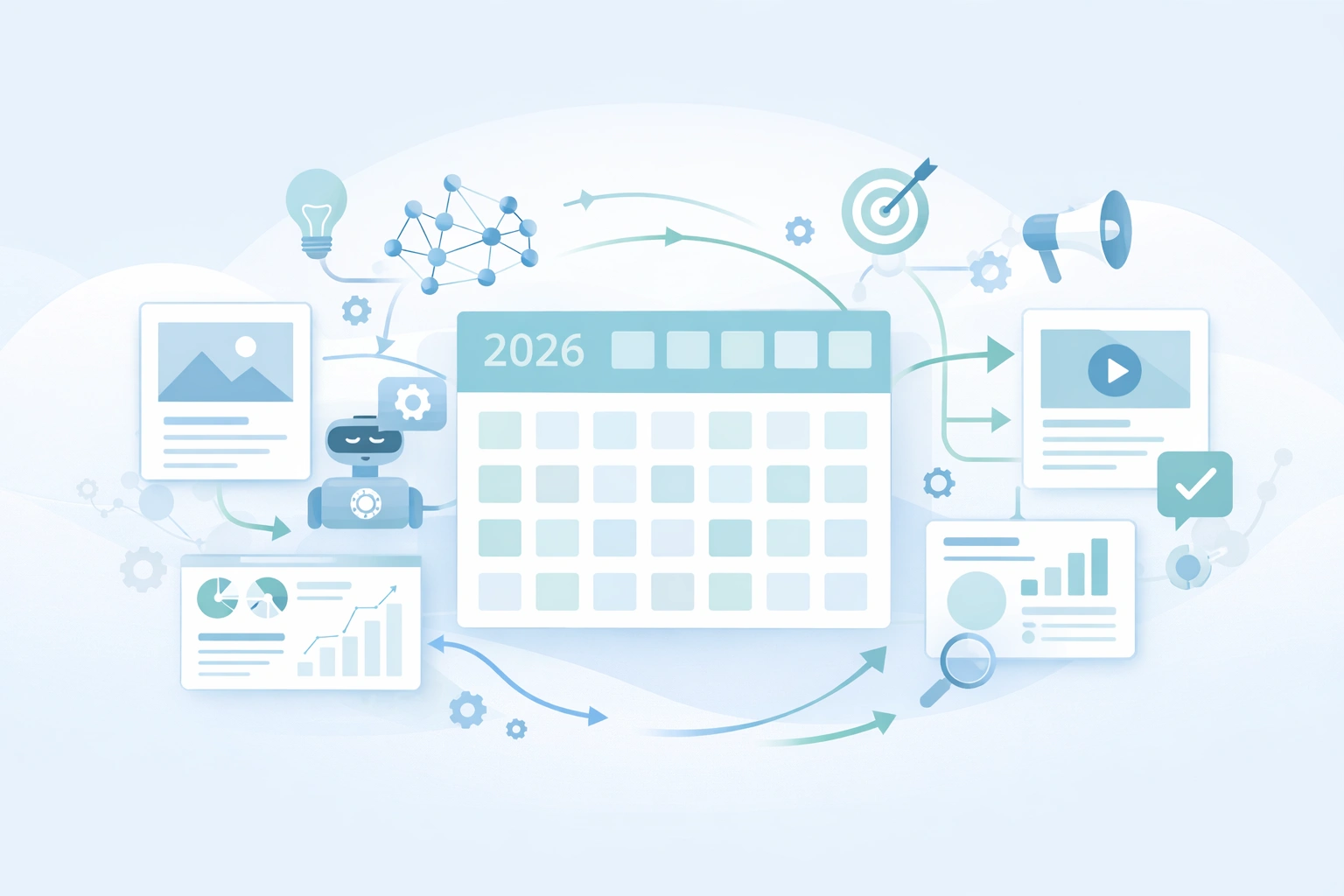
Local GEO & AI Search: A 90-Day Plan to Make Every Location AI-Ready
What “AI-Ready” Local Search Really Means Forget keywords alone. “AI-ready” local search means your business provides comprehensive, verifiable answers to complex, conversational queries. AI synthesizes information to deliver direct responses, not just a list of links. It demands deep, structured data for every single physical location, allowing AI to understand not just what you are, but what you offer, where, and to whom, with specific context. Why Your Local Presence Needs an AI Overhaul NOW AI isn’t a future trend; it’s already reshaping how users find local businesses. If your locations aren’t optimized for AI, you’re invisible to a growing segment of search. Users expect instant, precise answers. This is your chance to gain a significant competitive advantage. Instead of generic queries like “best pizza near me,” AI-driven searches will be “where can I get a gluten-free pepperoni pizza delivered to my office by 7 PM tonight that’s still hot?” The 90-Day Blueprint: Making Every Location AI-Ready Days 1-30: Data Consolidation & Accuracy Foundation Start with an aggressive audit. Every piece of location data must be perfect and consistent across all platforms. AI prioritizes accuracy and trust. Standardize NAP & Hours: Crucial for foundational accuracy everywhere. Deep Attribute Inventory: List every amenity, service, accessibility feature, payment method, and specific product offering for each site. Think granular: “wheelchair ramp at main entrance,” not just “accessible.” Geo-Specific Descriptions: Each location’s GMB and website description should highlight local landmarks, unique offerings, or community involvement. Verify Local Pages: Ensure every individual location page is up-to-date and offers unique, rich content. For a multi-location retailer, this means confirming not just that “Store X has parking,” but “Store X at 123 Main St has free underground parking accessible via Elm Street, with 2 EV charging stations.” Days 31-60: Content Enrichment & Semantic Depth Once your data is locked, it’s time to add layers of rich, contextual content that AI can parse and use for detailed answers. Expand individual location pages with detailed service descriptions, hyper-local FAQs, and unique selling propositions for that specific branch. Think about the unique questions only that location can answer. Focus on authentic user-generated content: actively solicit and respond to reviews, encouraging specifics about services and experiences. AI learns intent and nuance from these conversations. Implement advanced local business schema markup. Beyond the basics, specify amenities, price ranges, event listings, and product inventory where applicable. This gives AI a structured understanding. Days 61-90: Proactive AI Engagement & Monitoring The final phase is about optimizing for conversational search patterns and monitoring your AI visibility. Optimize for voice search by integrating natural language questions and answers into your content. How would a user ask about your business verbally? Actively manage and respond to Google Business Profile Q&A sections. These directly feed AI models with relevant query-response pairs. Monitor how your brand appears in generative AI results and AI Overviews. Are you being cited? Is the information correct? Adjust your content based on these findings. Key Takeaway for Action Don’t wait for a major shift; AI is already learning. Proactively structuring and enriching your local data now ensures your business remains discoverable and relevant in the evolving search landscape. Clarity, depth, and context are AI’s preferred currency. Frequently Asked Questions Q: How quickly will AI search impact my local business? A: It’s already happening through features like AI Overviews and advanced understanding of local intent. The impact will only accelerate as AI models become more integrated into search engines. Q: Do I need special AI software for this plan? A: No. The core of this plan relies on meticulous data management, content enrichment, and strategic website optimization—all using existing tools and platforms.