

How AI Is Learning What Users Really Mean — Not Just What They Click Recommendations Are Getting Smarter In 2026, discovery on platforms like Google Discover, YouTube, and content feeds is no longer driven only by clicks, views, or watch time. Google is moving toward something deeper: Understanding what users actually mean when they interact with content. This shift represents a major breakthrough in recommender systems — one that goes beyond surface-level behavior and into semantic intent. Instead of guessing preferences based on past actions alone, AI systems are learning to interpret how users describe what they want, even when that language is vague, emotional, or subjective. This article explains: What Is a Recommender System? (Simple Explanation) Recommender systems decide: Examples include: Traditionally, these systems relied on behavioral signals, such as: These signals work — but only up to a point. The Limitation of Traditional Recommendations Clicks and views tell AI what you interacted with, but not why. For example: Traditional systems treat both interactions the same. This creates a blind spot: AI can see actions, but not intent. Google refers to these signals as primitive feedback — useful, but shallow. The Core Problem: Human Language Is Subjective Humans don’t describe content in precise, technical terms. We say things like: These are soft attributes: This is where traditional recommender systems struggled. Hard Attributes vs Soft Attributes To understand the breakthrough, it helps to know the difference. Hard Attributes These are objective and easy for machines to understand: Soft Attributes These are subjective and ambiguous: Hard attributes are easy to model.Soft attributes are not. The Breakthrough: Teaching AI to Understand Subjective Meaning Google’s research introduces a way for AI to learn how individual users interpret soft attributes, instead of assuming everyone means the same thing. The key idea: Use the AI model’s existing internal representations to learn personalized meaning — without retraining the system. This is achieved using a technique called Concept Activation Vectors (CAVs). What Are Concept Activation Vectors (CAVs)? (Plain English) AI systems represent knowledge using numbers called vectors. CAVs are a way to: Traditionally, CAVs were used to interpret AI models. Google flipped the approach: Instead of interpreting the model, use CAVs to interpret the user. This allows AI to understand what this specific user means when they say “funny” or “interesting”. How the System Works (High-Level) At a simplified level, the system: The result: Why This Is Important for Discovery Platforms This approach helps AI: It’s especially powerful for: Does It Actually Work? Testing showed: In short: AI gets better at understanding why users like something, not just what they interacted with. What This Means for SEO & Content in 2026 This research signals a broader shift in how visibility works. Discovery Is Becoming Semantic Content is no longer surfaced only because: It’s surfaced because: Implications for Content Creators To stay visible: AI will favor content that: Why This Matters Beyond Google Discover Although this research focuses on recommender systems, the implications extend to: Understanding semantic intent is foundational to the future of search and recommendations. Final Takeaway: AI Is Learning to Read Between the Lines This breakthrough is not about a single algorithm. It’s about a shift in philosophy: From tracking behavior to understanding meaning. As AI systems learn to interpret subjective intent, brands and creators must: In 2026, visibility belongs to content that AI can understand, contextualize, and trust — not just index.
🏫 KLECET, Belgaum – Where Dreams Meet Discipline
KLECET is one of those rare colleges that combines solid technical education with an environment that feels both professional and personal. Located in the culturally rich and calm city of Belgaum, this college is a proud part of the KLE Society — an educational powerhouse that has shaped thousands of lives. If you’re serious about engineering but also want balance, mentorship, and future-readiness, this college quietly ticks all the right boxes. 🎓 Courses Offered 💻 Undergraduate (B.E.) 🎓 Postgraduate (M.Tech) Also offers Ph.D. programs for students who want to go deep into research. 💡 Academics That Prepare You for the Real World KLECET doesn’t just hand out degrees — it builds thinkers and doers. Many students say the faculty are “more like mentors than lecturers” — supportive, honest, and always ready to guide. 🌳 Campus Life – Modern, Welcoming & Purposeful The campus is well-maintained and buzzing with student energy but never chaotic. Think: You’ll find your tribe here — whether you’re an introvert who loves coding in the library or an extrovert planning flash mobs during fests. 🎉 💼 Placements That Speak for Themselves KLECET has a solid Training & Placement Cell that begins preparing students from the 2nd year itself. Companies That Visit: 🪜 Packages range from ₹3–7 LPA on average, with some dream offers going higher for CSE/AI streams. They also offer placement bootcamps, resume building, mock interviews, and even LinkedIn profile mentoring — the little things that make a big difference. ✨ Why Choose KLECET? ✅ A balanced mix of discipline + freedom ✅ Great track record in placements and higher education ✅ Excellent support for technical events, startups, and projects ✅ Safe, inclusive environment that lets you grow without pressure ✅ Focus on value-based education (a core part of the KLE legacy) 💬 Final Best-Friend Words KLECET, Belgaum isn’t loud about what it does — but the students it sends out into the world speak volumes. If you’re looking for a place that values your ambition, nurtures your talent, and supports your every step, this might just be your launchpad to something amazing. “The most powerful engineers aren’t built in fancy halls — they’re shaped in classrooms where curiosity is respected, effort is valued, and growth is guided.”
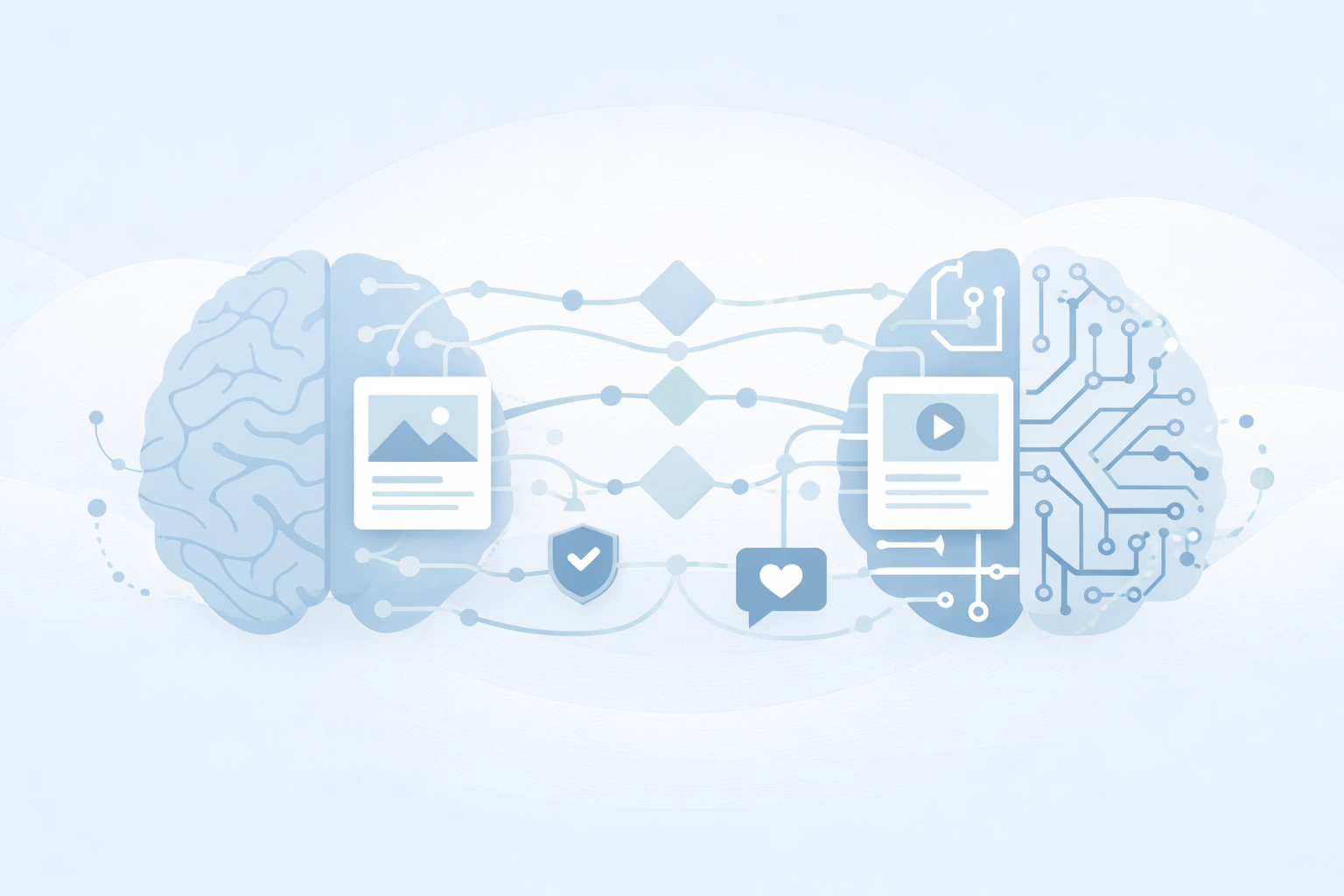
AI-Generated Content Isn’t the Problem — Your Strategy Is
Why Tools Don’t Create Advantage, Thinking Does The Wrong Question Is Being Asked A common question in 2026 boardrooms sounds like this: “If AI can write content, why are we still paying people to do it?” It’s an understandable question.AI tools are fast, cheap, and always available. Budgets are under pressure. Marketing teams are expected to do more with less. So some organizations: Others do the opposite: Both approaches miss the point. AI isn’t the solution. AI isn’t the problem. Strategy is. The Real Mistake: Confusing Efficiency with Advantage AI makes content production easier.It does not make content effective by default. If your strategy is: Then AI will help — but only in the same way it helps everyone else. When everyone has access to the same tools, speed alone stops being an advantage. A Lesson From History: Cutting What You Don’t Fully Understand Organizations often make decisions based on what is easiest to measure. If something looks “unprofitable” on a spreadsheet, it gets cut. The problem?Spreadsheets rarely show: Content works the same way. When leadership evaluates content purely on: They risk removing the infrastructure that supports everything else. The Data Trap: Data-Led vs Data-Informed There’s a critical difference: Data-Led Thinking Example: “AI content costs less. Replace writers.” Data-Informed Thinking Example: “If we use AI the same way our competitors do, where does differentiation come from?” This distinction matters more than ever. Why AI-Only Content Has No Competitive Edge AI generates content by synthesizing what already exists. That means: Ask yourself:Why would AI produce better content for your brand than for your competitors using the same tools? It won’t. AI-generated content is not a shortcut to advantage.It’s the baseline. To stand out, content must go beyond what AI can recycle. Content Is Not a Cost — It’s Infrastructure High-performing content does many jobs at once: Each article, page, or asset must: This is not “easy writing.”It’s complex strategic work. Why AI Can’t Replace Human Insight AI can: AI cannot: AI only knows what is already online.Some of the most valuable knowledge in organizations is not. That knowledge lives in: This is where real differentiation comes from. The Irony of AI-Driven Discovery In 2026, content must increasingly be: But here’s the irony: AI does not cite content that AI itself could have generated. If your content contains nothing new, nothing distinctive, nothing authoritative — AI already has better sources. To be cited, content must: AI rewards original thinking, not recycled output. The Right Role of AI in Content Strategy AI should not replace thinking.It should remove friction. High-value uses of AI include: This frees human creators to focus on: AI becomes a force multiplier — not a replacement. What Happens When You Cut Too Deep When organizations replace people with tools, they often lose: These losses don’t show up immediately. They appear later as: Rebuilding that capability is expensive, slow, and uncertain. The Question Leaders Should Be Asking The right question is not: “Can AI create content cheaper?” The right question is: “What value does our content create — and how do we protect and amplify it?” Because content is not just output.It is the system that makes your brand: Final Thought: Tools Don’t Create Strategy AI is powerful.Ignoring it is a mistake.Replacing thinking with it is a bigger one. This is not a debate about: It’s a decision about: Before you cut, automate, or replace — ask:Are you removing waste,or dismantling the very system that makes your brand visible and trusted?
🏫 KKSJMSC – Where Science Meets Simplicity & Strength
Right in the heart of Ahmedabad lies a college that blends strong academics with student-centric values. KK Shah Jarodwala Maninagar Science College (popularly known as KKSJMSC) is one of those institutions that doesn’t chase fame — it focuses on building students into confident, curious, and capable individuals. Affiliated with Gujarat University, it has earned a solid reputation for its consistent academic results, approachable faculty, and inclusive environment. 🎓 Courses Offered 🌱 Undergraduate Programs (B.Sc.) 🧬 These programs are designed not just to teach but to ignite the scientific spark in you — with equal focus on labs, concepts, and critical thinking. 🧪 Learning Environment – Calm, Clear & Concept-Oriented This isn’t a college where you get lost in a crowd. It’s one where teachers know your name, and you can walk up to your professor after class to ask a doubt. You’re not spoon-fed here. You’re guided — gently but firmly, the way a good mentor would. 🌳 Campus Life – Simple but Supportive No glitz, no chaos — just a quiet, clean, well-kept space where you can focus on your studies and slowly find yourself. Honestly, the vibe is wholesome. You grow academically — but also emotionally and socially. 👩🔬 Career Support & Opportunities While this isn’t a placement-heavy college like engineering campuses, here’s where it shines: 💡 If you’re focused and use your time wisely here, KKSJMSC can be your springboard to a rich, fulfilling career in science. ✨ Who Should Consider KKSJMSC? ✅ You’re looking for an affordable, sincere, and well-respected science college✅ You want to build strong concepts, not just get a degree✅ You value personalized attention, good mentorship, and a balanced student life✅ You’re aiming for post-grad research, teaching, or competitive exams 💬 Final Best-Friend Words KKSJMSC isn’t trying to be trendy — it’s trying to be transformational. If you’re someone who values learning in a calm, respectful, and nurturing space, this could be your ideal match. “Not every lab needs to be shiny. Some of the best minds bloom in quiet rooms, under the guidance of teachers who care, and in colleges that believe in building character along with careers.”

5 Key Enterprise SEO & AI Trends for 2026
How Large Brands Must Adapt to Stay Visible, Trusted, and Chosen Enterprise SEO Has Entered a New Era In 2026, enterprise SEO is no longer just about rankings, keywords, or traffic. It is about influence. Search behavior has changed: For enterprise brands, this means one thing: If AI systems don’t understand, trust, or cite your brand — you are invisible. This article explains the five most important Enterprise SEO and AI trends for 2026, and what large organizations must do to stay competitive. How Enterprise Search Has Changed Search is no longer linear. Earlier, the journey looked like:Search → Website → Conversion Now, it looks like:Question → AI summary → Comparison → Recommendation → Action Users move across: Enterprise SEO must now support search everywhere, not just search engines. Trend 1: SEO Fundamentals Become the Foundation for AI Success In 2026, AI optimization does not replace SEO.It builds on it. Without strong SEO fundamentals: What Still Matters (More Than Ever) These elements act as a translation layer between your brand and AI systems. If your site is technically weak, AI visibility is impossible — no matter how good your content is. The Agentic Search Shift In 2026, AI agents actively browse the web on behalf of users. These agents: Enterprise brands must now optimize for: SEO is no longer just about pages — it’s about machine consumption. Trend 2: Content Quality Becomes the Primary Differentiator AI can generate average content instantly. What it cannot generate easily is: That’s why in 2026, content quality separates winners from noise. What AI Chooses to Cite AI systems prefer content that: Rewritten or surface-level content is ignored. How to Write AI-Preferred Content Enterprise content should: Content must be written to be: Read by humans and absorbed by machines Multimodal Search Is No Longer Optional Search is no longer text-only. In 2026: …all influence visibility. Enterprise brands must: Text alone is not enough. Trend 3: Measuring Authority Shifts from Visibility to Perception In the past, success meant: “Did we rank?” In 2026, success means: “How are we described?” AI systems do not just mention brands — they characterize them. What Matters Now This is a shift from presence metrics to perception metrics. New Metrics Enterprise Teams Must Track SEO measurement is no longer only numeric — it’s contextual. Trend 4: SEO, Brand, PR, and Media Must Work Together In 2026, enterprise SEO cannot operate in isolation. AI visibility is influenced by: That means: SEO, PR, content, brand, and media must align. Digital PR Becomes Core to SEO Links alone are not enough. AI values: Enterprise SEO now includes: Brands that earn trust outside their own website dominate AI answers. Trend 5: Automation Becomes Mandatory at Enterprise Scale Manual SEO does not scale in 2026. Enterprise teams manage: Automation is no longer optional. Where Automation Is Essential However… Automation Must Be Balanced AI should: Humans must: AI without governance creates noise, not authority. What Enterprise SEO Must Focus on in 2026 To succeed, enterprise teams must prioritize: SEO is no longer just optimization. It is influence management. Final Thought: Enterprise SEO Is Now About Trust at Scale In 2026, enterprise brands don’t win by doing more SEO. They win by: The future of enterprise SEO is not rankings.It’s relevance, reputation, and influence — everywhere search happens.
🏫 KIPM College of Engineering and Technology – A Place to Begin Boldly
Located in the calm yet growing city of Gorakhpur, KIPM College of Engineering and Technology is one of those institutions that believe in building engineers, not just graduates. It’s affiliated with Dr. A.P.J. Abdul Kalam Technical University (AKTU), and has gained a reputation for student-focused education, value-driven culture, and a strong base in technical disciplines. Whether you’re into circuits, codes, machines, or innovation, this college aims to be your stepping stone. 🎓 Courses Offered 🔧 B.Tech Programs (4 Years) 💡 Admissions are based on UPCET / JEE Main or direct entry through management quota. 📚 Academic Environment – Focused, Practical, and Industry-Aware One of the core strengths of KIPM is its hands-on approach. Instead of just theory-heavy learning, the college leans into: Students often say the faculty is “strict when needed, but supportive when it matters”—kind of like that ideal senior who pushes you to grow. 💙 🏡 Campus Life – Green, Balanced & Welcoming The campus isn’t gigantic, but it’s clean, calm, and geared for focused learning. You’ll find: Most importantly, it’s a safe and encouraging place to evolve—personally and academically. 🚀 Placement & Career Support KIPM has a dedicated Training & Placement Cell that trains students from day one with: 🔹 Placement Snapshot: And if you’re someone who wants to go into civil services, entrepreneurship, or postgraduate studies, the environment here lets you chase that too. ✨ Is KIPM Right for You? Here’s the vibe-check: ✅ You want affordable, quality engineering education✅ You’re someone who learns better with practical projects and faculty support✅ You appreciate a campus that’s not too flashy, but focused on growth and values✅ You believe in working hard, building skill sets, and staying rooted 💬 Final Best-Friend Words KIPM, Gorakhpur isn’t about big names — it’s about big effort, real mentors, and a solid launchpad for your career. If you’re willing to put in the work, this place will walk with you every step of the way. “Success isn’t about where you start — it’s about what you build with the tools you’re given. KIPM hands you the tools, and then says: now go build something great.”
🌼 Khyati School of Nursing, Ahmedabad – Where Compassion Meets Competence
If you’ve got that fire in your heart to serve, support, and bring real care to those in need, Khyati School of Nursing (KSN) is the kind of place that helps shape that vision. It’s not just a college—it’s a space that cultivates resilience, empathy, and skill. Located in the educational hub of Ahmedabad, KSN is a part of the larger Khyati Group and carries with it the professionalism of a medical setup while keeping things student-friendly and emotionally warm. 👩⚕️ Courses That Build Your Healthcare Future 💉 General Nursing and Midwifery (GNM) 🧬 Bachelor of Science in Nursing (B.Sc. Nursing) Both courses focus heavily on practical knowledge along with theory, so you leave not just with a degree, but with real skills. 🏥 Clinical Exposure – Learning Beyond the Classroom One of the biggest plus points of KSN is its strong clinical network. You’ll get postings in: This isn’t just textbook nursing—it’s real-time learning in real hospital environments. 💪 Students here often say that the first time they held a patient’s hand during pain or recovery, they truly felt the meaning of “care.” 📘 Faculty & Learning Approach Here’s what’s special: faculty at KSN actually care. They’re not just teachers — they become mentors, sometimes even big sisters or brothers in this emotionally intense journey. With small batch sizes, you get that personal attention so important in nursing. Expect: 🏡 Campus Life – Calm, Caring & Focused This is a place where friendships form over night duties and exam prep marathons. 🫶 🌟 Career After KSN – More Than Just a Job Let’s talk about the real deal: your future. Graduates from Khyati School of Nursing have gone on to work in: 💼 You can build a career in: And the best part? Nursing isn’t just about jobs—it’s about making impact. 💖 Best-Friend Advice – What Your Heart Needs to Hear If you’re someone who: Then Khyati School of Nursing is where you plant those seeds. “Nursing isn’t just a course. It’s a calling. And KSN doesn’t just train you to pass exams—it trains you to touch lives.”

17 Data Reports Every SEO Should Be Tracking in 2026
Why Data Matters More Than Ever in 2026 SEO in 2026 is no longer just about rankings, keywords, and traffic charts. Search now sits at the intersection of: The best SEO decisions today are not made in isolation. They are made with context. That context comes from reliable, recurring data reports that show: If you want to defend strategy in front of leadership, forecast growth, or justify budget decisions, these are the reports you should be tracking throughout 2026. Category 1: Financial & Market Direction Reports (Where the money is going) These reports help SEOs understand the economic reality behind search. They answer questions like: 1. Internet Advertising Revenue Reports Why track it: Shows whether digital advertising is expanding or contracting overall. If ad spend is rising, competition increases. If it slows, efficiency matters more than growth. How SEOs use it: 2. Global Advertising Forecasts Why track it: Forecasts reveal future pressure. Rising spend in certain channels often means higher CPCs and tougher organic competition. How SEOs use it: 3. Long-Range Media & Entertainment Outlooks Why track it: Five-year outlooks help with long-term planning, not just next quarter tactics. How SEOs use it: Category 2: Platform Earnings Reports (What the major ecosystems are prioritizing) Quarterly earnings reveal what platforms care about, not just what they say publicly. 4. Search Engine Earnings Reports Why track it: Search revenue growth (or decline) signals whether traditional search is still the engine of growth or being disrupted. What to watch: 5. Enterprise Software & Productivity Earnings Why track it: Enterprise search is increasingly happening inside tools, not browsers. How SEOs use it: 6. Ecommerce & Retail Platform Earnings Why track it: Product discovery is moving closer to checkout. How SEOs use it: 7. Mobile Ecosystem Earnings Why track it: Mobile platforms control privacy, discovery, and app-based search. How SEOs use it: 8. Visual & Social Discovery Platform Earnings Why track it: Younger audiences increasingly discover information visually, not textually. How SEOs use it: Category 3: Internet Usage & Infrastructure (Where attention actually lives) These reports explain why traffic patterns change, not just that they do. 9. Global Digital Usage Reports Why track it: Shows how much time people spend on social platforms vs. the open web. How SEOs use it: 10. Global Connectivity & Infrastructure Reports Why track it: Infrastructure determines content feasibility. How SEOs use it: 11. Internet Bandwidth Consumption Reports Why track it: Reveals what type of content dominates user attention. How SEOs use it: Category 4: Privacy, Policy & Enforcement (The rules of visibility) SEO doesn’t operate in a vacuum. Policy and enforcement shape what can rank. 12. Data Privacy Benchmark Reports Why track it: Privacy directly affects trust, conversions, and brand perception. How SEOs use it: 13. Ads Safety & Enforcement Reports Why track it: Ad enforcement often predicts organic enforcement. How SEOs use it: Category 5: Media Trust & Content Consumption (Why people believe what they see) Trust is now a ranking signal—directly and indirectly. 14. Digital News Consumption Reports Why track it: Shows how users discover content without visiting homepages or search engines. How SEOs use it: 15. Trust & Credibility Studies Why track it: Trust determines whether content gets cited, shared, or ignored. How SEOs use it: 16. Digital Media & Streaming Trend Reports Why track it: Attention is fragmented across formats. How SEOs use it: Category 6: How To Use These Reports Together The value isn’t in reading reports — it’s in connecting them. Use them to: Best practice: The Big Takeaway The strongest SEO strategies in 2026 are not reactive. They are built on: SEOs who understand where to find reliable data don’t just optimize pages — they influence decisions. That’s the difference between tactical SEO and strategic leadership.
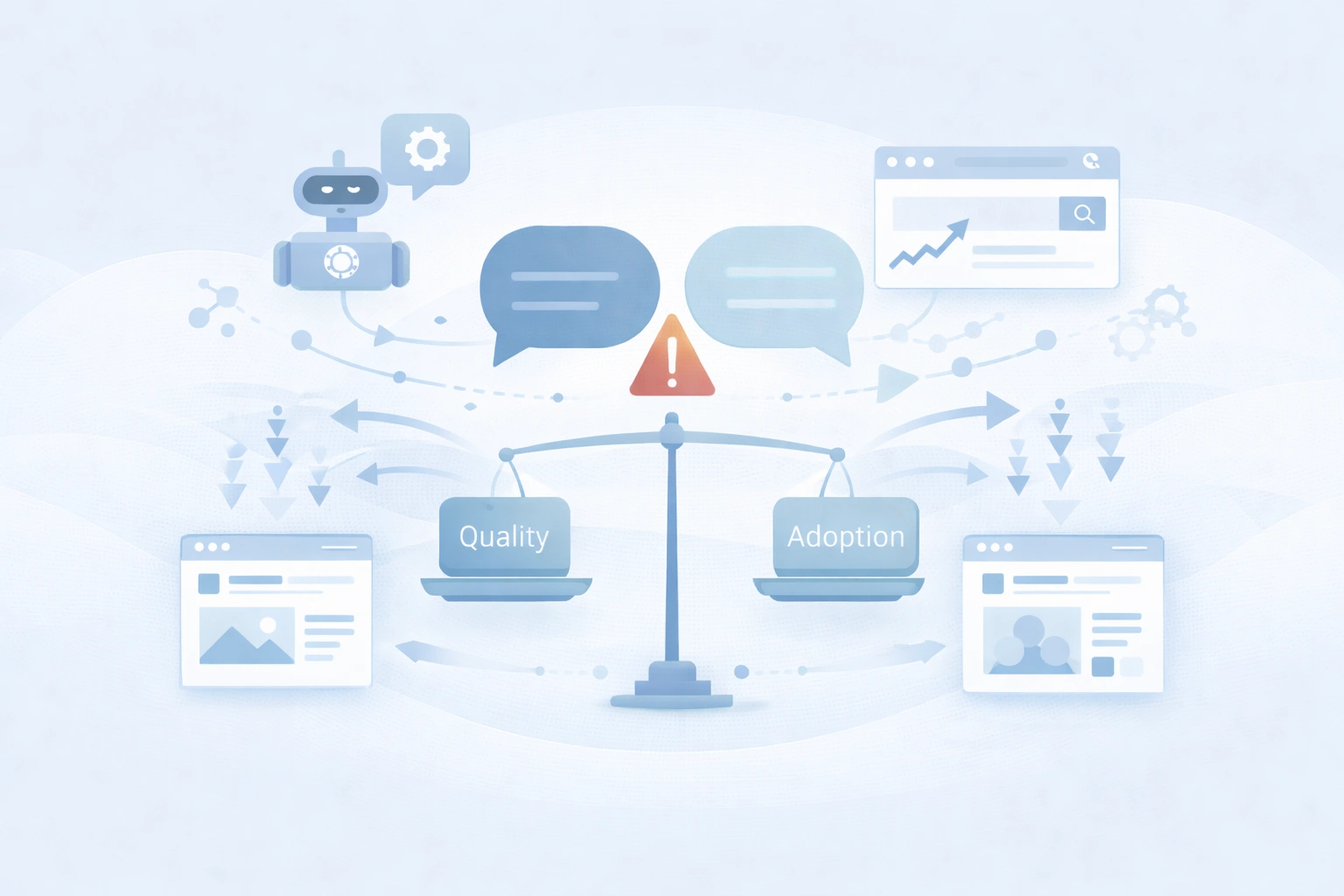
Microsoft CEO and Google Engineer Push Back on AI Quality Criticism
Why the “AI Slop” Debate Is Being Reframed in 2026 The AI Quality Debate Is Shifting As AI-generated content becomes deeply embedded in search, productivity tools, and everyday workflows, criticism around quality, reliability, and economic impact has grown louder. But in early 2026, a noticeable shift in tone has emerged from tech leadership. Rather than directly addressing whether AI output is accurate, helpful, or harmful, some leaders are reframing the conversation around how people feel about AI, not what AI is doing. This shift matters — especially for publishers, creators, and marketers already feeling the downstream effects of AI-driven discovery. A New Framing: Moving Past “Good vs Bad” AI One major theme emerging from recent leadership commentary is a call to move beyond judging AI output as simply “good” or “bad.” The argument goes something like this: In this framing, AI is positioned as a tool to amplify human capability, not a finished product to be judged by traditional content standards. This shift doesn’t deny quality concerns — it redirects attention away from them. Burnout as an Explanation for AI Pushback Another framing gaining traction is that resistance to AI is less about flaws in the technology and more about user fatigue. The idea is that: In this view, criticism is treated as an emotional or psychological response rather than a signal of systemic issues. That interpretation has sparked pushback, especially from professionals who argue their concerns are not about novelty fatigue, but about accuracy, reliability, cost, and control. Why This Framing Feels Different to Publishers For publishers, creators, and site owners, this reframing can feel dismissive. For years, platforms emphasized: At the same time, AI systems now: When leaders encourage moving past quality debates, publishers hear something else: “The system is changing, and quality concerns are no longer central to the conversation.” The Traffic Reality Behind the Debate This conversation isn’t happening in a vacuum. Publishers continue to document: When AI-generated summaries appear, users are far less likely to visit external websites. While platforms often describe remaining traffic as “higher intent,” volume still matters for ad revenue, subscriptions, and sustainability. For many publishers, the issue is not philosophical — it’s economic. Crawling vs Referrals: A Growing Imbalance Another concern emerging alongside AI summaries is the imbalance between: AI systems require vast amounts of content to function, but referrals back to original sources are becoming increasingly rare. This disrupts the long-standing understanding of the web: Content is shared freely in exchange for visibility and traffic. When that exchange weakens, publishers question whether the relationship remains fair. Why the “Quality Debate” Isn’t Going Away Reframing criticism as burnout or distraction may change the tone of the conversation, but it doesn’t eliminate the underlying issues. Concerns remain around: For publishers, these are not abstract worries. They affect hiring, investment, and long-term viability. What This Signals for 2026 The messaging coming from tech leadership suggests how AI criticism may be handled moving forward: That doesn’t mean products won’t improve — but it does suggest the burden of adaptation is shifting toward users and publishers, not platforms. What Marketers and Publishers Should Watch In 2026, it’s worth paying attention to: The language leaders use often signals future priorities. Final Thought: Reframing Doesn’t Resolve the Tension The debate around AI quality isn’t just about taste or burnout. It’s about: Reframing criticism may reduce friction in the short term, but the underlying tension remains unresolved. In 2026, the question is no longer whether AI will be everywhere — it already is. The real question is: Who absorbs the cost of that transformation, and who benefits from it?

SEO Maintenance in 2026
A Simple Checklist for Essential Year-Round SEO Tasks Why SEO Maintenance Still Matters SEO is not a one-time task. In 2026, successful SEO comes from consistency, not constant panic. Search engines, AI systems, and user behavior are changing fast. But that does not mean you should: The best results still come from a disciplined SEO maintenance routine — one that balances: This guide explains what to do daily, monthly, quarterly, and yearly so SEO stays stable, measurable, and effective over time. The Core Idea of SEO Maintenance SEO works best when you: SEO maintenance is about cadence — doing the right things at the right time. Not everything needs daily attention.Not everything can wait for a year. A structured rhythm helps you: Daily SEO Tasks (Stay Aware, Not Obsessed) 1. Keep Yourself Informed Search is evolving rapidly in 2026, especially with AI influencing results. Daily learning does not mean: It means: Some news requires action.Some only requires observation. The skill is knowing the difference. 2. Monitor Critical SEO Metrics You don’t need full reports every day — but you do need awareness. Daily checks should help you quickly notice: The goal is early detection, not deep analysis. Where possible: This helps prevent small problems from becoming big ones. 3. Make Consistent Tactical Progress SEO is built through small actions done consistently. Daily effort should: Without a plan, SEO turns into: Daily SEO should always connect back to a clear strategy. Monthly SEO Tasks (Measure, Adjust, Improve) 1. Review SEO Performance Monthly reviews give you enough data to see real trends. Key monthly activities: This prevents: Monthly reviews bring perspective. 2. Review Completed SEO Actions Each month, ask: This connects effort with results. Understanding what actually moved performance helps refine future decisions. 3. Plan the Next Month SEO plans should be structured but flexible. Monthly planning allows you to: This avoids: SEO improves when planning and execution stay connected. Quarterly SEO Tasks (Deep Health Checks) 1. Technical SEO Audit Quarterly technical reviews help catch issues that daily checks miss. Focus areas include: These issues often grow quietly — quarterly audits keep them under control. 2. On-Page SEO Audit Content and site updates can unintentionally break SEO elements. Quarterly checks should review: Even small technical changes can create SEO gaps if unchecked. 3. Backlink Profile Review Links still matter in 2026 — quality matters more than volume. Quarterly backlink reviews help assess: They also help identify: This keeps link strategy healthy and intentional. 4. Local SEO Audit (If Applicable) Local SEO data can change without warning. Quarterly checks ensure: Even well-managed profiles can be affected by external data changes. Yearly SEO Tasks (Big Picture Thinking) 1. Review Full-Year Performance SEO is a long-term investment. Annual reviews help you: This view shifts SEO from: “Cost”to“Strategic investment” 2. Plan the Next Year’s SEO Strategy Every year should start with clarity. Annual planning helps define: Even if plans evolve, starting with direction prevents confusion later. Why SEO Works Better With a Disciplined Framework SEO fails when it becomes: SEO succeeds when it is: A disciplined framework: AI may change how search works, but discipline still wins. Final Thought: Consistency Beats Chaos SEO in 2026 is not about doing everything. It’s about: A steady maintenance routine creates: Plan calmly.Execute consistently.Adjust intelligently. That’s how SEO sustains results year-round.