Microsoft has released a usage analysis of its Copilot AI assistant, examining 37.5 million anonymised conversations to understand how and when users engage with AI. The findings highlight clear time-based patterns in user behaviour, showing that AI usage aligns closely with daily routines, emotional states, and cultural events.
The research, published on December 10 by the Microsoft AI (MAI) research team, provides insight into how users rely on AI for practical planning, personal advice, health management, and reflective questions.
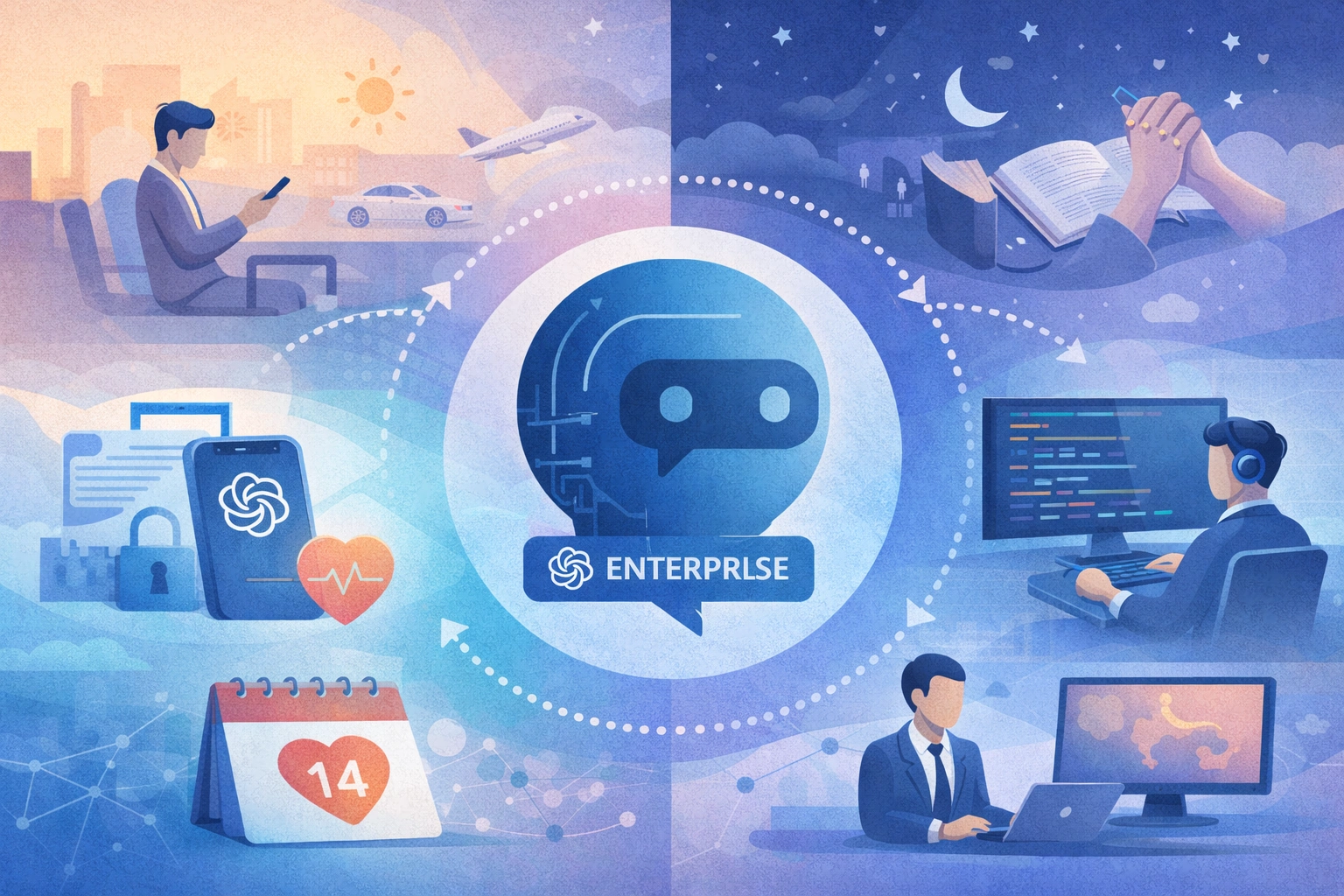
Early Morning Hours See an Increase in Philosophy and Religion Queries
The analysis found that religion and philosophy-related conversations rise during early morning hours, particularly late at night and before dawn.
These queries differ from daytime usage, which tends to focus on task-oriented activities. The pattern suggests that users turn to AI for reflective or existential questions during quieter hours, when external distractions are minimal.
This behaviour indicates that AI assistants are being used not only for productivity but also for personal contemplation.
Travel Queries Peak During Commuting Hours
In contrast to late-night philosophical topics, travel-related conversations peak during typical commuting times.
Users appear to use AI assistants to:
- Plan trips
- Research destinations
- Organise itineraries
These interactions often occur during transit periods, reflecting practical planning behaviour during active hours of the day.
Health Topics Dominate Mobile AI Usage
Health-related conversations ranked as the most frequent topic on mobile devices across all months analysed in 2025.
Key characteristics of mobile health usage include:
- Consistency across time and day
- Focus on wellness tracking and daily routines
- Preference for mobile over desktop platforms
The data suggests that users view mobile devices as more personal, making them the preferred medium for health-related discussions with AI assistants.
Clear Weekday and Weekend Divide in Programming and Gaming
The study identified a distinct weekly cycle in AI usage related to programming and gaming.
- Programming-related conversations increase from Monday to Friday
- Gaming-related conversations peak on weekends
Although both topics were equally popular overall, users tended to separate them by day, indicating a structured division between work-related and leisure activities.
Valentine’s Day Drives Relationship-Related Queries
February showed a notable increase in relationship-focused conversations, with a clear spike on Valentine’s Day.
During this period, users also increased engagement with:
- Personal growth topics
- Wellness discussions
- Relationship advice
The timing suggests that AI assistants are used as private support tools during emotionally significant events and social milestones.
Shift from Information Search to Advice-Seeking
While traditional information search remains the most common use of Copilot, the analysis revealed a growing trend toward advice-seeking behaviour.
Users increasingly consult AI for:
- Personal decisions
- Relationship guidance
- Life planning questions
This shift indicates a change in how users perceive AI assistants, moving from information retrieval tools toward advisory systems.
Privacy-Focused Research Methodology
Microsoft emphasised that user privacy was preserved throughout the analysis.
Key privacy measures included:
- Use of anonymised data
- Extraction of conversation summaries only
- No access to full conversation content
- No individual-level identification
The system focused on identifying topic and intent rather than specific user details.
Implications for AI Assistant Development
Understanding how users interact with AI across time and context helps inform feature development and system design.
Key insights include:
- Health, creativity, and personal support are priority use cases
- AI systems must adapt to different user states throughout the day
- Response quality is critical when users seek personal guidance
These findings support the development of AI assistants that align more closely with real-world human behaviour patterns.
Summary
Microsoft’s Copilot usage analysis demonstrates that AI engagement follows predictable human rhythms. Users rely on AI for practical tasks during active hours, personal health support throughout the day, and reflective or emotional guidance during quieter moments.
The data suggests that AI assistants are becoming embedded into daily life, serving multiple roles depending on time, context, and user needs.
Frequently Asked Questions
What did Microsoft analyse in this study?
Microsoft analysed 37.5 million anonymised Copilot conversations to understand usage patterns by time, topic, and device.
When do users ask philosophical or religious questions?
These topics increase during late-night and early morning hours.
What is the most common AI use on mobile devices?
Health-related conversations consistently rank highest on mobile platforms.
How does AI usage differ between weekdays and weekends?
Programming-related queries increase during weekdays, while gaming-related conversations peak on weekends.
Does Copilot usage include personal advice?
Yes. The study shows a growing trend of users seeking advice on relationships and personal decisions.
How does Microsoft protect user privacy in this analysis?
Only anonymised conversation summaries were analysed, without accessing full content or identifying individual users.